HBM and the Memory Wall: AI’s Real Hardware Bottleneck
AI accelerators spend most of their time waiting for memory, not doing math. Here is how HBM stacking works, what HBM4 actually delivers, and why DRAM prices are climbing.

Technology, explained properly.
Technology, explained properly.
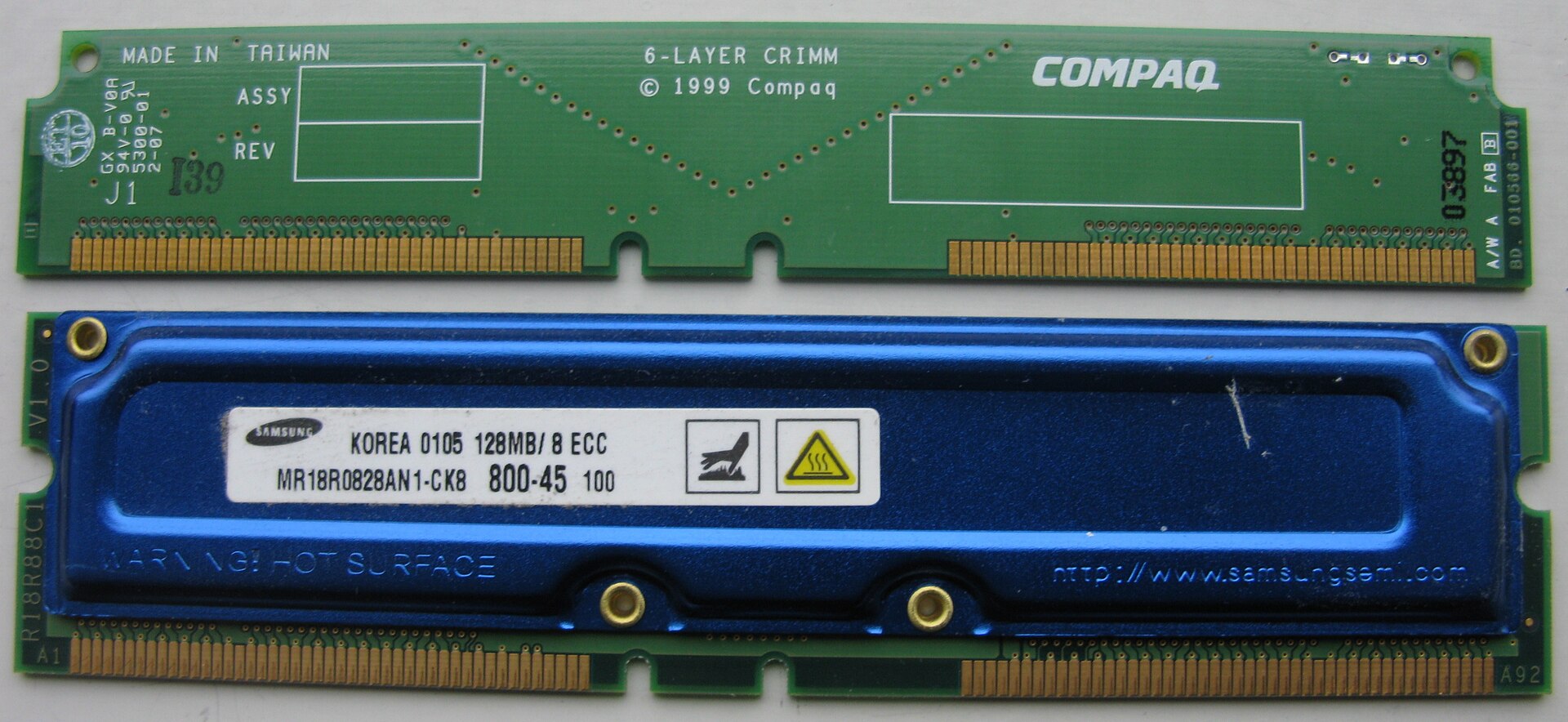
AI accelerators spend most of their time waiting for memory, not doing math. Here is how HBM stacking works, what HBM4 actually delivers, and why DRAM prices are climbing.
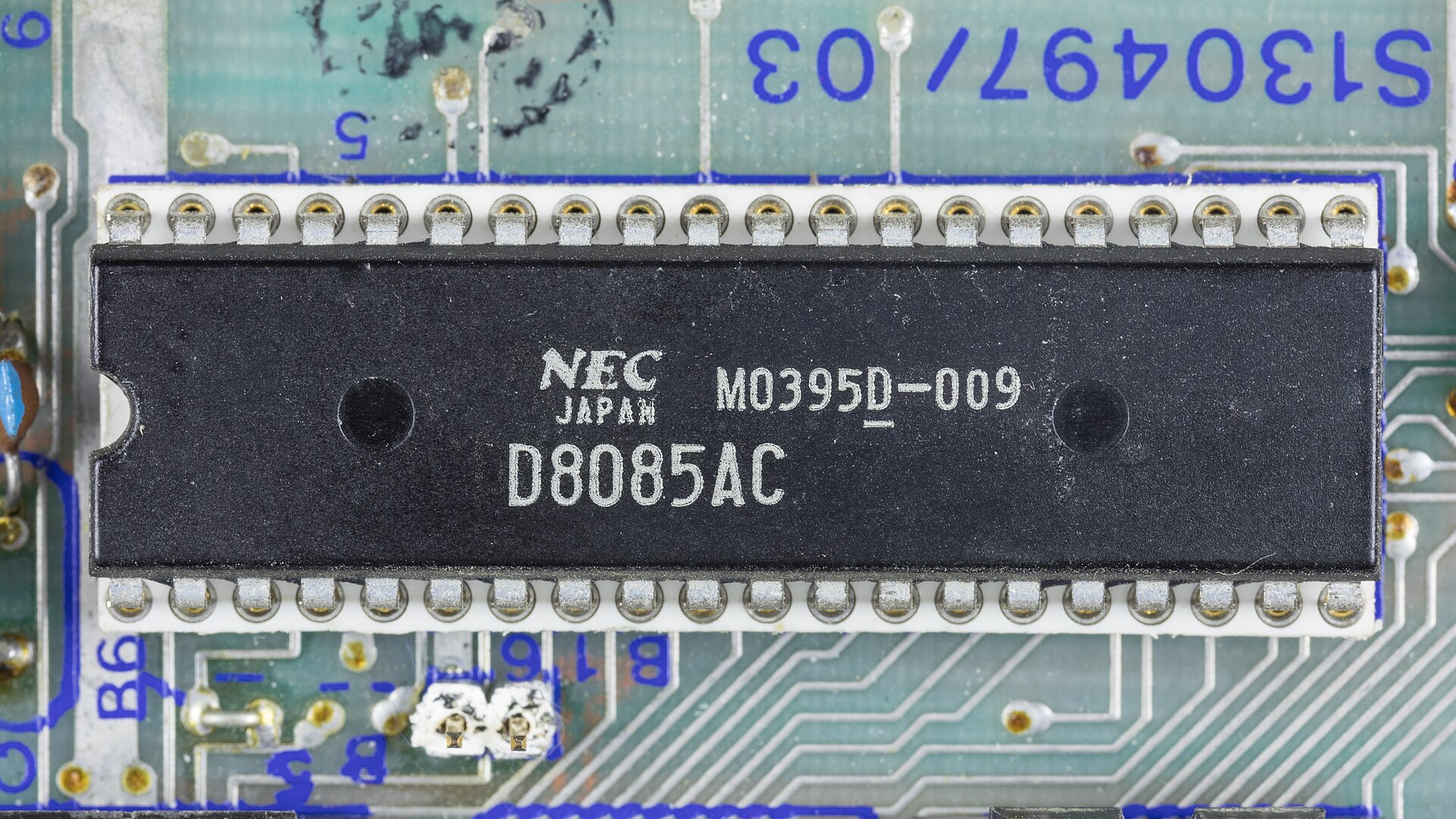
Three instruction sets now compete for every chip built. The real differences are licensing, ecosystems and emulation, not whether the instructions are reduced or complex.

TSMC's N2 process replaced the FinFET with stacked nanosheet transistors. Here are the verified performance numbers, the $30,000 wafer, and how Intel and Samsung compare.
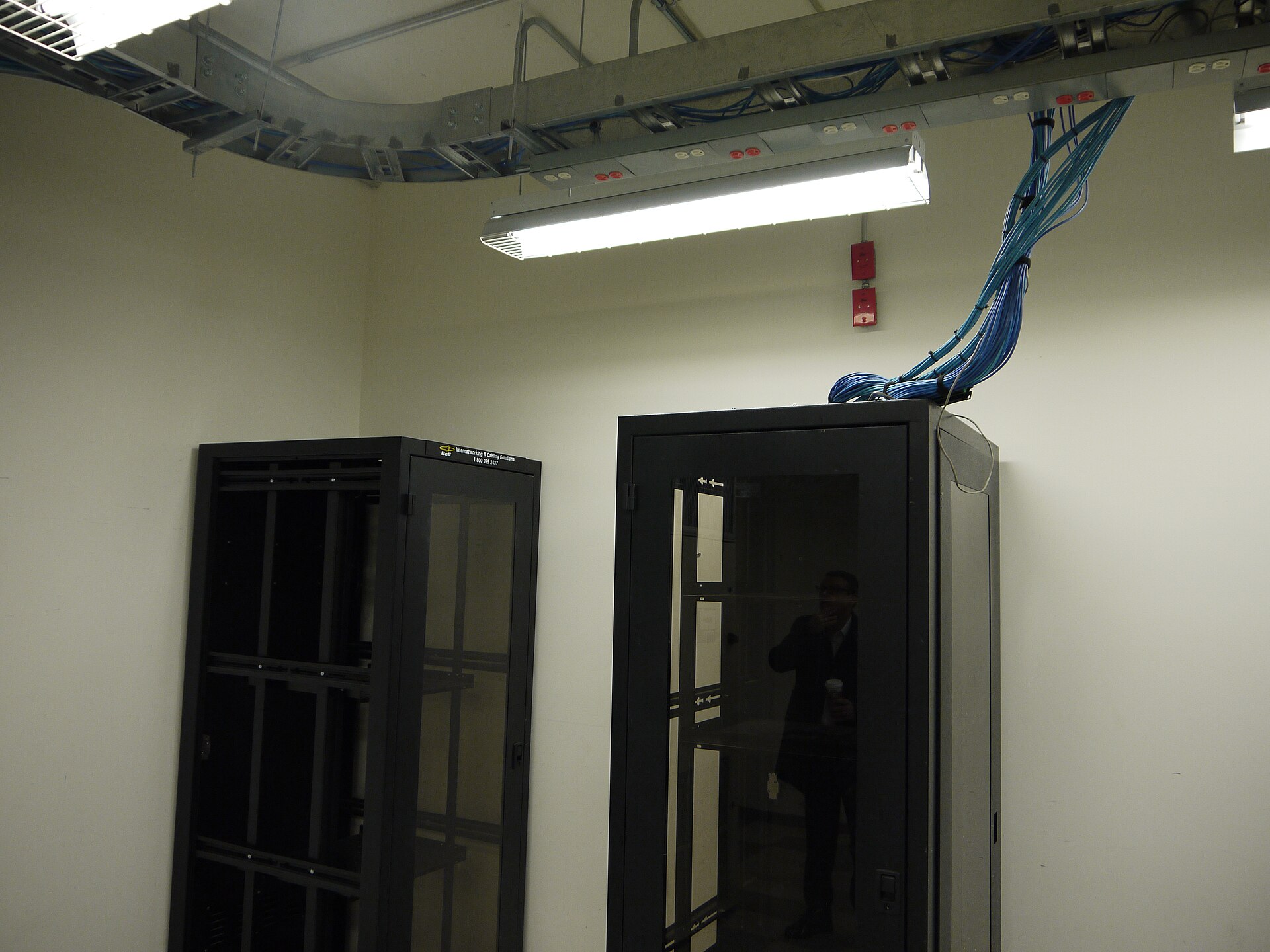
One GPU rack now holds 72 accelerators, 13.4TB of memory and a copper spine that must be liquid-cooled. Here is what that changed about the building around it.
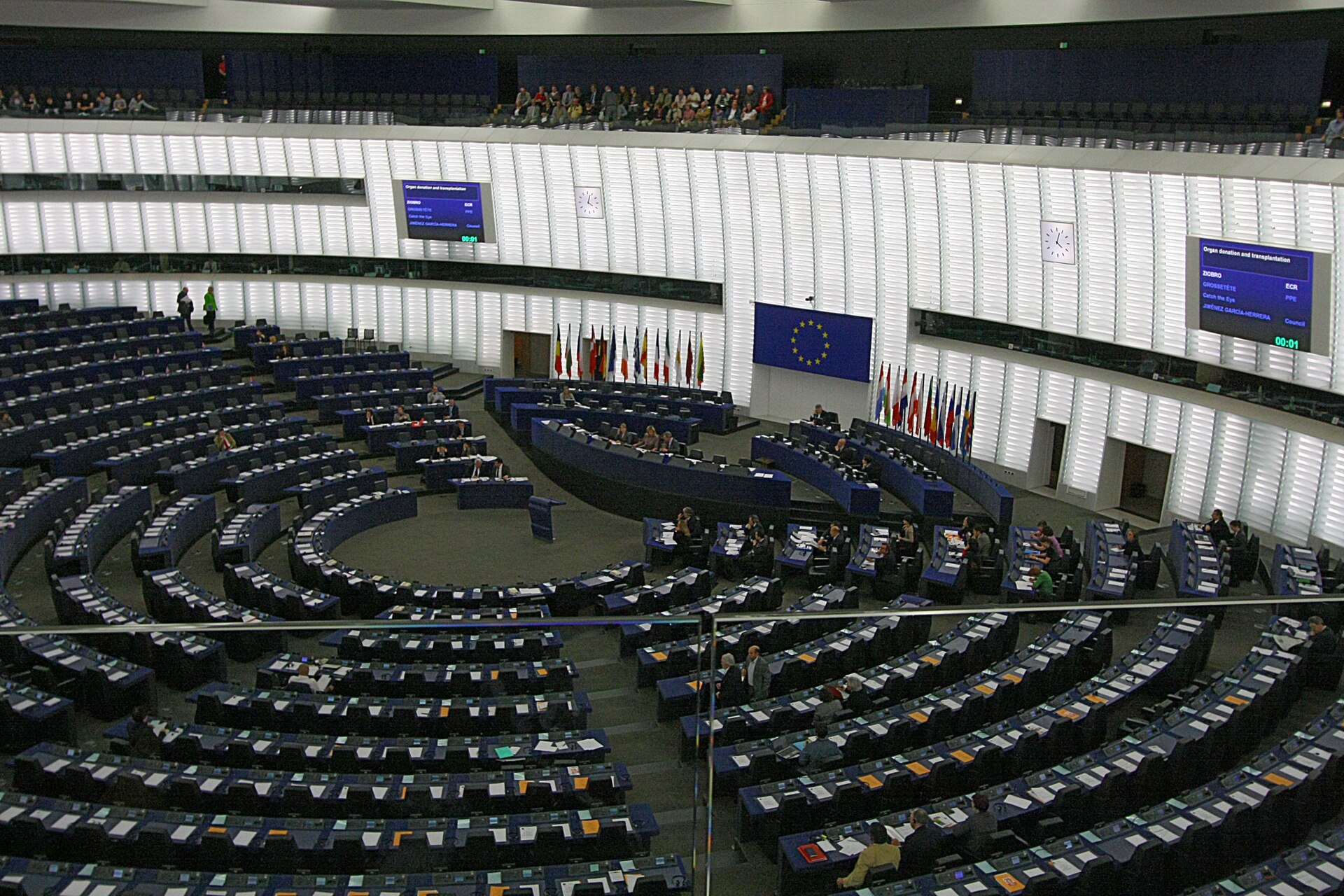
The EU moved its biggest AI deadline days before it landed, Canada's AI act never passed, and US states enacted 109 laws. Here is what is actually in force.
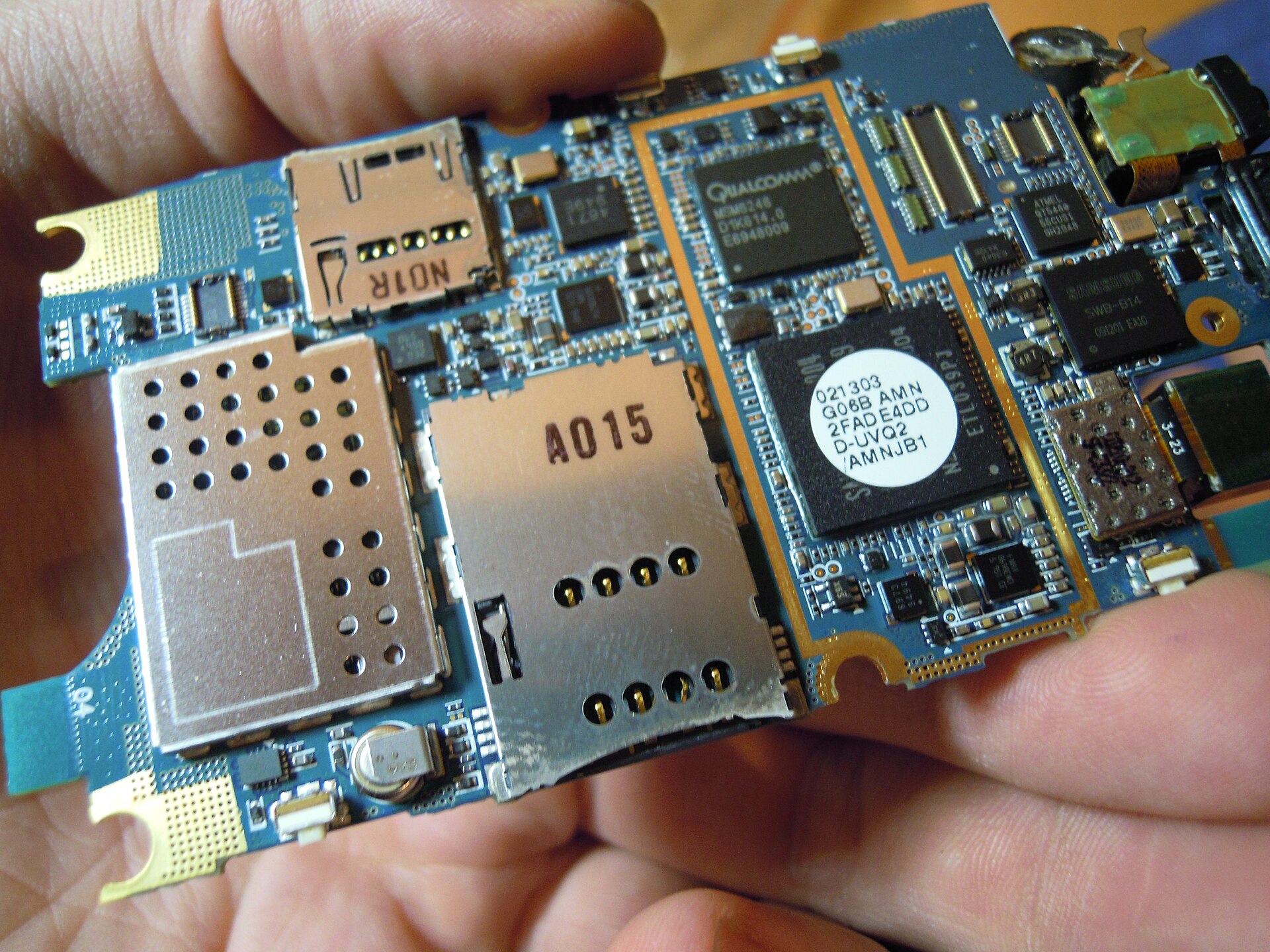
Apple's on-device model has about 3 billion parameters and handles most of what you ask it. Here is why smaller models are winning, and how to run one yourself.
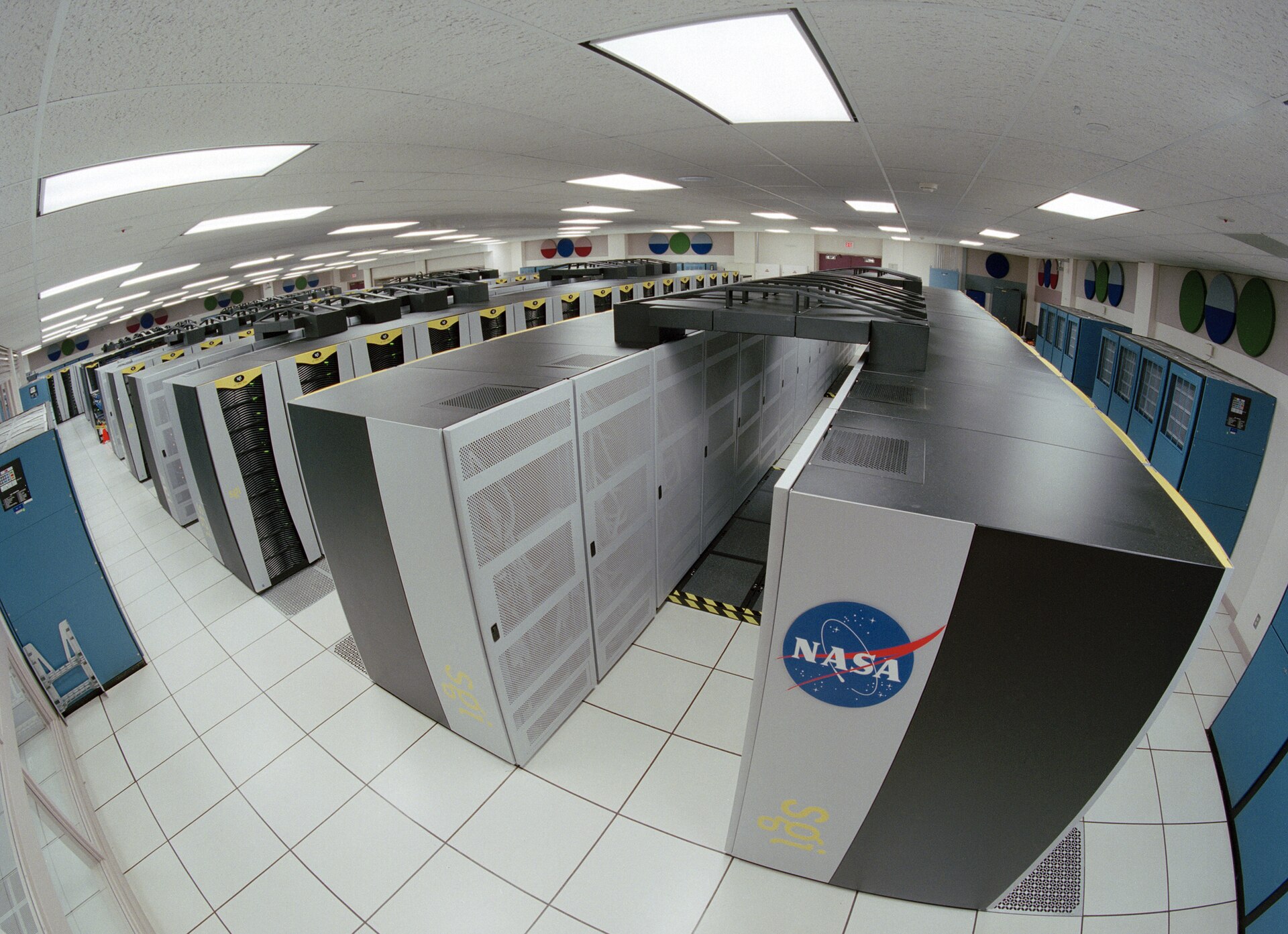
Estimates put GPT-4's final training run near $40 million and its cluster near $800 million. Here is what those numbers include, who produced them, and what they leave out.

Chunking, hybrid search and reranking cut retrieval failures by 67% in one published test. Fine-tuning would not have helped. Here is how to choose between the four options.
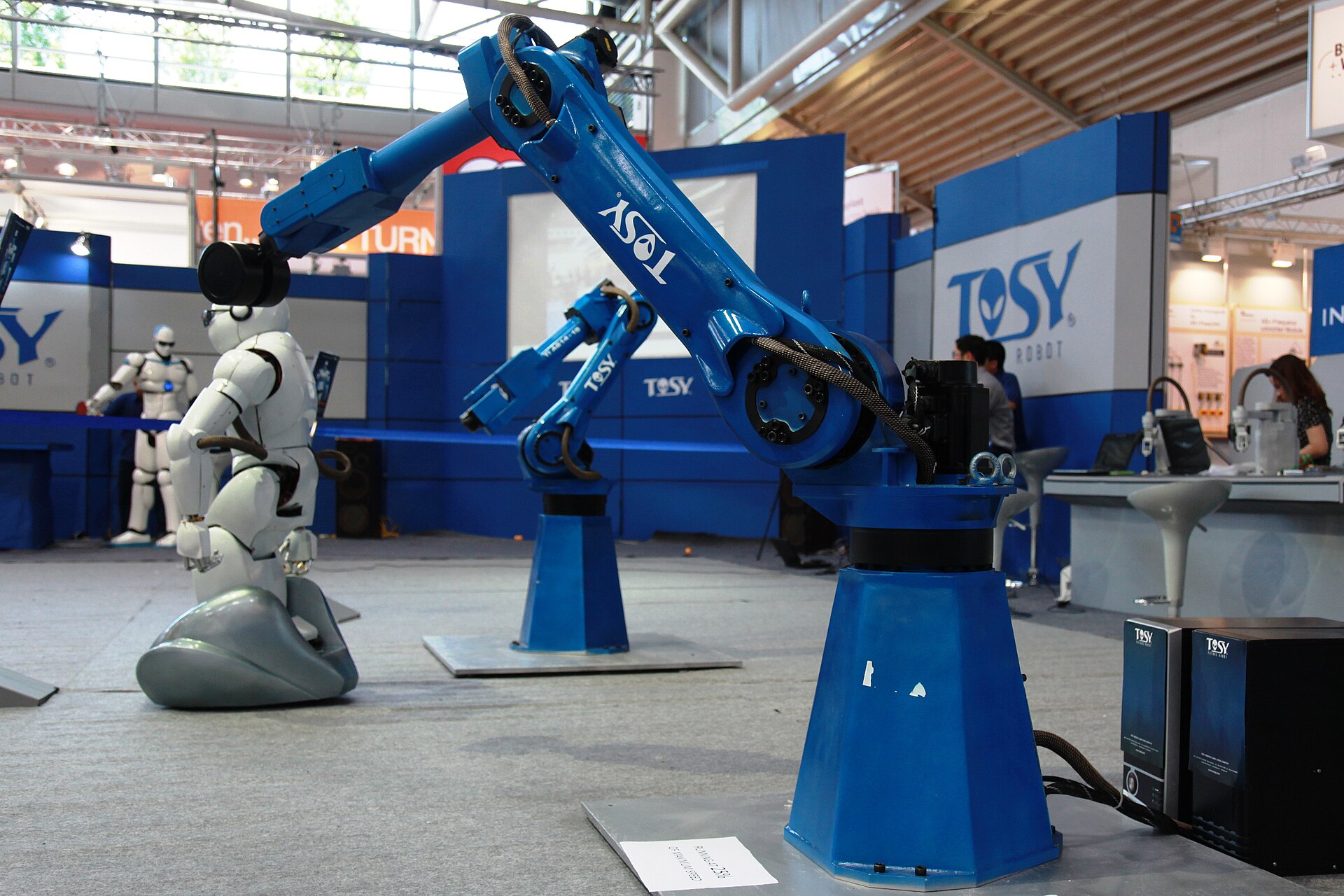
Agents complete about a fifth of realistic desktop tasks, close real GitHub issues, and can be hijacked by hidden text on a web page. Here is the honest 2026 picture.
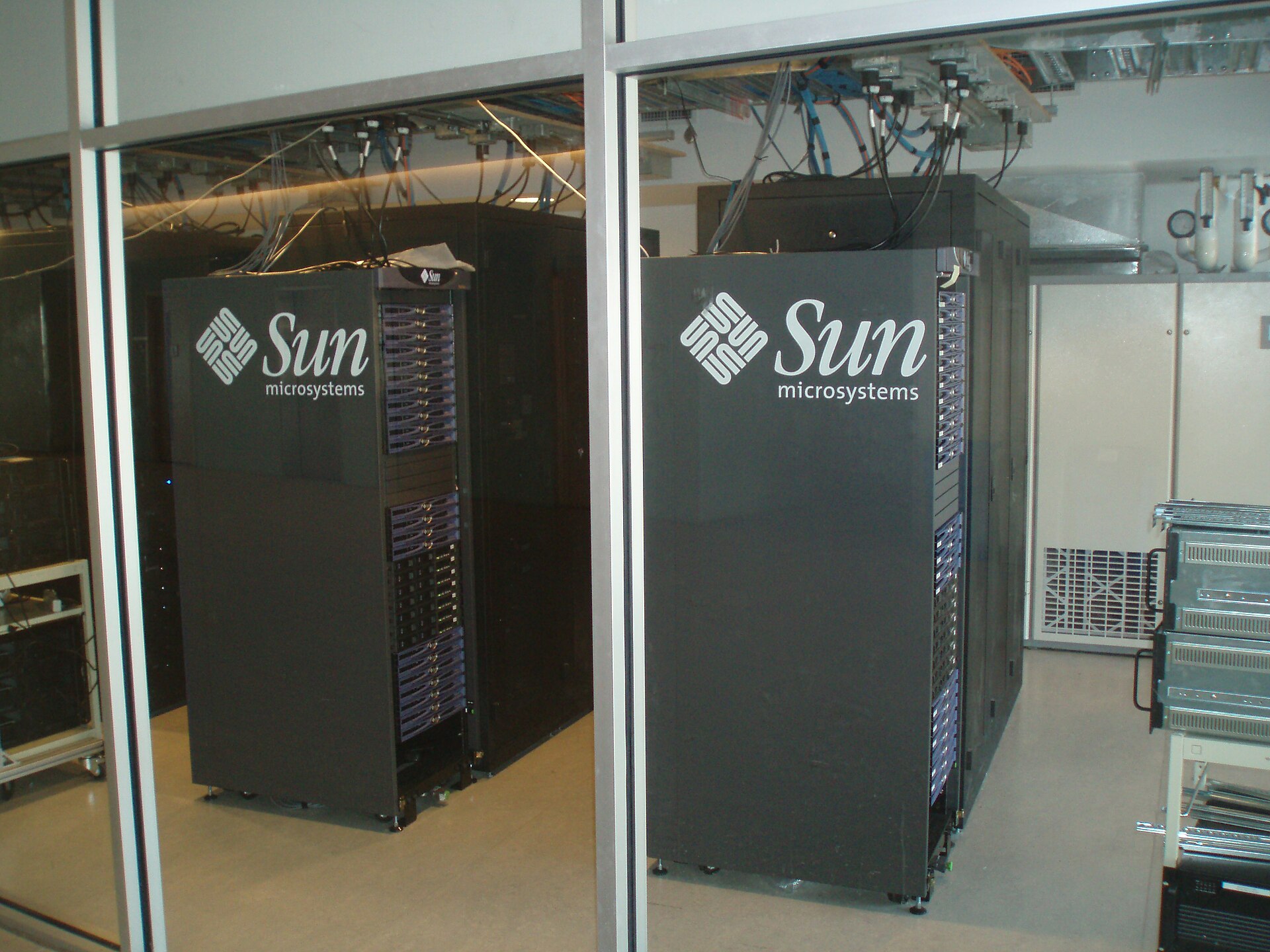
Tokens, embeddings, attention, training versus inference, and why chatbots confidently invent facts. A plain-English walk through the machinery behind modern AI models.